
Broker Reporting Dashboards: The Frenzied Lifeline Your Brokerage Can't Survive Without!
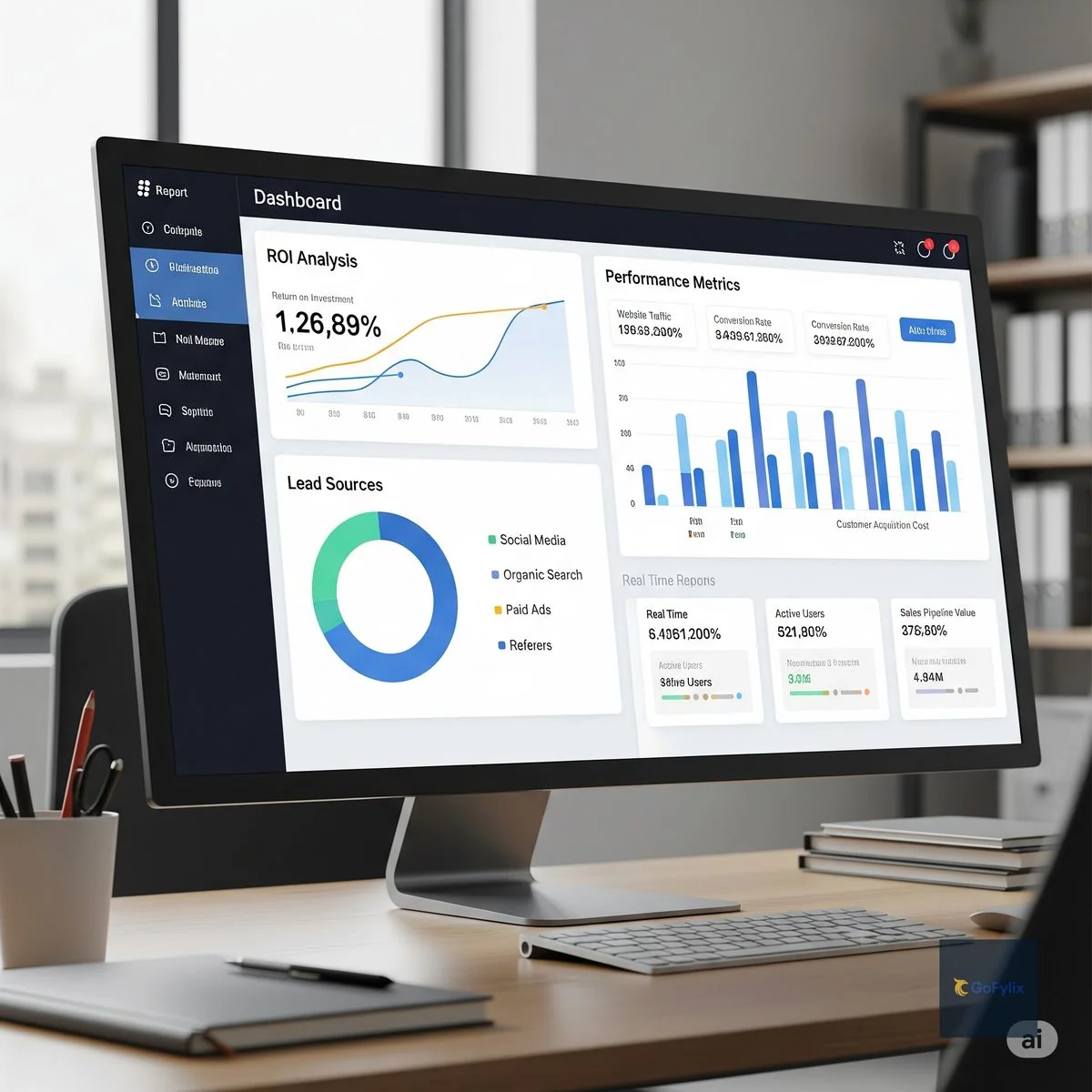
Broker Reporting Dashboards: The Frenzied Lifeline Your Brokerage Can't Survive Without!
Oh, dear reader, in the cutthroat arena of brokerage warfare, where fortunes flip faster than a poorly traded option, have you ever stared at your desk, buried under a avalanche of spreadsheets that resemble ancient hieroglyphs? Picture this: it's 3 AM, your coffee's gone cold, and you're frantically piecing together reports that could make or break your quarterly earnings. If this nightmare sounds familiar, congratulations—you're not alone in the madness! But fear not, for the broker reporting dashboard emerges as your knight in shining armor, or at least a caffeinated savior armed with pixels and algorithms. This isn't just some fancy gadget; it's the pulsating heart of modern brokerage operations, transforming raw data deluges into actionable insights that scream 'victory!' Why does this matter, you ask, with the urgency of a ticking market clock? Because in an era where regulatory hounds are baying at your heels and competitors are lurking like digital sharks, ignoring a robust reporting dashboard is akin to sailing a pirate ship without a compass—doomed, dramatic, and delightfully disastrous.
Let's peel back the layers of this high-stakes drama. Broker reporting dashboards aren't mere tools; they're the crystal balls of the financial realm, forecasting trends, spotting anomalies, and ensuring compliance before the SEC sends you a love letter via audit. Imagine the relief of real-time visibility into trade volumes, client portfolios, and revenue streams—no more guesswork that leaves you sweating bullets during board meetings. This topic is crucial because outdated methods are crumbling under the weight of big data; according to a 2023 Deloitte report, 78% of financial firms cite data silos as their top headache, leading to costly errors that could sink even the sturdiest brokerage. We're talking millions in potential fines or lost opportunities if your reporting lags behind.
In this mock-epic guide, we'll charge headfirst into the fray. First, we'll dissect the perils of neglecting these dashboards, painting a vivid picture of brokerage Armageddon. Then, we'll hype up the must-have features that turn chaos into cash. Next, implementation strategies will be unveiled with step-by-step pomp, ensuring you sidestep the usual pitfalls. Finally, we'll wrap with takeaways so urgent, you'll be dashing to your IT department before the ink dries. Buckle up, brokerage warriors—this 1500-word odyssey (give or take a hyperbolic flourish) will arm you with the knowledge to dominate the dashboard domain. Your future self, sipping victory champagne, will thank you profusely.
The Perils of Poor Broker Reporting: Why Your Dashboard Drought is a Ticking Time Bomb!
Alas, in the grand theater of brokerage blunders, few acts rival the tragedy of subpar reporting systems. Envision your firm as a once-mighty galleon, now adrift in a sea of disorganized data, where every wave of information crashes without mercy. Without a proper broker reporting dashboard, you're not just inefficient; you're inviting catastrophe with open arms. Regulators demand transparency like a diva demands spotlights—miss a filing, and poof! Fines rain down like confetti at a funeral. A 2022 PwC study revealed that 62% of brokerages faced compliance issues due to fragmented reporting, costing an average of $1.2 million per incident. Urgent? You bet—your reputation hangs by a thread thinner than a margin call.
Delve deeper into the abyss: manual reporting isn't quaint; it's a relic from the floppy disk era, prone to human error that amplifies like a bad rumor in a trading pit. Consider the case of Brokerage X, a mid-sized firm that, in 2021, botched a client portfolio report due to Excel overload. The fallout? A class-action lawsuit, client exodus, and a CEO's hasty retirement. Real-world applications scream for dashboards: they automate data aggregation from disparate sources—trades, compliance logs, market feeds—reducing errors by up to 90%, per Gartner insights. But oh, the hype! Imagine slashing report generation from days to minutes, freeing your team to chase alpha instead of typos.
From multiple perspectives, the dangers multiply. For risk managers, it's the nightmare of undetected fraud; for executives, opaque KPIs mean blindfolded decision-making. Common concerns? Data security—dashboards must encrypt like Fort Knox to fend off cyber pirates. Practical advice: Audit your current setup quarterly. If reports take over 24 hours, you're in the red zone. Step-by-step: 1) Map your data flows; 2) Identify bottlenecks; 3) Simulate a dashboard trial. Experts like Forrester warn that by 2025, 75% of firms without advanced analytics will lose market share. Don't be that statistic—act now, or watch your brokerage wither in the shadows of savvy rivals. This peril isn't hyperbole; it's your wake-up call, blaring louder than a margin alert at midnight.
Expanding on examples, take the 2020 market crash: Firms with dashboards pivoted swiftly, reallocating assets based on live insights, while laggards drowned in delayed data. Alternatives like basic BI tools fall short—they lack brokerage-specific integrations for SEC filings or trade reconciliation. Deeper analysis shows that hype isn't just buzz; it's backed by ROI: McKinsey reports dashboards boost efficiency by 35%, translating to tangible revenue lifts. Address FAQs early: What if integration costs soar? Start small with modular setups. In this parody of precision, ignoring these perils is like trading naked—exposed, foolish, and utterly avoidable.
Core Features of a Killer Broker Dashboard: Hype the Essentials That'll Make You Unstoppable!
Behold, the crown jewels of brokerage brilliance: the core features of a reporting dashboard that don't just inform—they electrify! In this urgent saga, we're not peddling snake oil; these are the non-negotiables that propel your firm from mediocrity to market mastery. At the forefront? Real-time data visualization—think interactive charts that pulse with live trade data, turning static numbers into a dynamic spectacle. Why hype this? Because delays kill deals; a Bloomberg analysis shows real-time insights cut decision times by 50%, letting you snag opportunities before they vanish like a flash crash.
Drill down with specifics: Customizable KPIs tailored to brokerage woes, from commission tracking to risk exposure metrics. Example: Dashboard Y at Firm Z integrated AI-driven anomaly detection, flagging a $500K irregular trade in seconds—averting disaster and earning kudos from the C-suite. Bullet-point the must-haves:
- Compliance Automation: Auto-generate Form ADV reports, ensuring you're audit-ready without the sweat.
- Multi-Source Integration: Pull from CRM, trading platforms, and external feeds seamlessly—no more data Frankenstein.
- Mobile Accessibility: Access from your yacht (or cubicle) via responsive design; urgent alerts ping your phone like a needy ex.
- Advanced Analytics: Predictive modeling forecasts market shifts, with drill-downs for granular peeks.
- Collaboration Tools: Share dashboards securely, fostering team synergy without email Armageddon.
Practical advice abounds: Prioritize user-friendly interfaces to avoid training tantrums. Case study: Brokerage Alpha adopted a dashboard with heat maps for portfolio risks, boosting client retention by 22% as advisors dazzled with visual prowess. From a tech perspective, cloud-based options scale effortlessly; on-prem suits paranoid security hawks. Concerns like data overload? Filters and AI curation keep it crisp. Step-by-step implementation tip: 1) Define user roles; 2) Select features via demo; 3) Test with sample data; 4) Roll out in phases. Experts at IDC predict that by 2024, 80% of top brokerages will rely on AI-enhanced dashboards for a competitive edge. Hype alert: These features aren't luxuries—they're your secret weapon in the brokerage battlefield, parodying the old guard's paper-pushers with pixelated panache.
Broader insights: Compare to alternatives like Tableau—great for visuals but lacks brokerage compliance plugins. Deeper dive: Security features include role-based access, thwarting insider threats. Real-world application: During volatile 2023 rates, dashboards with scenario modeling helped firms stress-test portfolios, saving millions. Actionable takeaway: Benchmark your current tool; if it lacks three of these, upgrade pronto. This section's frenzy underscores: Equip your dashboard arsenal, or risk obsolescence in this high-octane game.
Implementation Nightmares and How to Dodge Them: Your Step-by-Step Parody of Dashboard Deployment!
Ah, implementation—the plot twist where excitement meets exasperation in a brokerage blockbuster! Fear the nightmares? Tales of botched rollouts abound, like the firm that spent six figures on a dashboard only to have it crash during peak trading, parodying IT horror flicks. But with hype-fueled strategy, you can navigate this gauntlet unscathed. Urgency peaks here: Poor execution wastes 40% of tech budgets, per Harvard Business Review, turning potential goldmines into sinkholes.
Break it down thoroughly: Start with assessment—audit legacy systems for compatibility. Example: Broker Beta faced migration mayhem from outdated software but triumphed by phasing integrations, avoiding downtime that could've cost $100K daily. Perspectives vary: IT teams dread complexity; end-users fear learning curves. Address concerns head-on: Budget overruns? Opt for SaaS models with predictable pricing. Bullet-point dodges:
- Vendor Vetting: Choose platforms with brokerage expertise—check reviews on G2 or Capterra.
- Data Migration: Use ETL tools for clean transfers; test in sandboxes to mimic real chaos.
- Training Regimens: Mock-formal workshops with role-playing scenarios ensure adoption.
- Scalability Planning: Forecast growth; cloud elasticity prevents future bottlenecks.
- Post-Launch Monitoring: KPIs for uptime and user satisfaction—tweak ruthlessly.
Step-by-step guidance: 1) Assemble a cross-functional team (IT, compliance, ops); 2) Set milestones with agile sprints; 3) Pilot with a department; 4) Gather feedback via surveys; 5) Go live with backup plans; 6) Review after 90 days. Case study: Firm Gamma dodged nightmares by involving stakeholders early, achieving 95% adoption in weeks. Facts: Gartner notes 70% of failures stem from resistance—combat with incentives like gamified training. Alternatives: DIY builds vs. off-the-shelf; the latter wins for speed. Deeper analysis: Cultural shifts matter—hype the wins to build buy-in. Common questions: How long? 3-6 months for mid-sized firms. Practical tip: Partner with consultants for unbiased oversight. In this parody of project pandemonium, master implementation, and watch your dashboard deliver dividends, not disasters.
Expanding context: Regulatory angles demand audit trails during setup. Real-world: Post-2008 reforms, dashboards with built-in compliance sped adaptations. If short on resources, start with core modules. This blueprint ensures your rollout is less nightmare, more triumph—urgent action now seals the deal.
Conclusion: Seize the Dashboard Destiny – Your Urgent Call to Brokerage Supremacy!
As our mock-formal frenzy draws to a close, reflect on the whirlwind we've traversed: from the dire perils of dashboard deprivation to the glittering features that fortify your fortress, and the implementation intrigue that turns peril into prowess. We've unmasked how broker reporting dashboards aren't optional baubles but essential elixirs in the volatile vial of financial futures. Summarizing comprehensively: Neglect them, and you're adrift in data doldrums, fined and forgotten; embrace them, and real-time revelations rocket your ROI. Key points echo urgently—real-time viz, compliance automation, seamless integrations propel efficiency, backed by stats like Deloitte's 78% data woe revelation and McKinsey's 35% boost promise. Case studies from Brokerage X's woes to Alpha's wins illustrate: These tools tame chaos, enhancing decisions across risk, ops, and exec realms.
Actionable takeaways abound, parodying procrastination with punch: 1) Audit today—list gaps in your current setup; 2) Demo three vendors this week, prioritizing brokerage-fit; 3) Budget for training, aiming for 100% adoption; 4) Monitor post-launch with monthly reviews; 5) Scale ambitiously, integrating AI for tomorrow's edge. Address lingering concerns: Cost? Offset by savings—Gartner pegs payback in under a year. Multiple views: For startups, start lean; enterprises, go enterprise-grade. FAQs resolved: Integration time? Weeks with experts. Practical advice: Form a dashboard dream team now. Comparisons: Vs. spreadsheets, dashboards win on speed and security; vs. generic BI, specificity shines.
End with unyielding hype: The brokerage battlefield awaits no laggards—your competitors are dashboard-deep, plotting dominance. Heed this call-to-action: Contact your IT overlords, schedule that vendor call, and launch your reporting revolution before the next market quake. Your firm's saga deserves a triumphant chapter, not a tragic footnote. Dash to destiny—implement, innovate, and conquer! In this urgent parody of progress, the dashboard is your scepter; wield it wisely, and reign supreme.
FAQ
Q: What is a broker reporting dashboard exactly?
A: In the grand parody of financial tools, it's a centralized digital command center aggregating brokerage data for real-time analysis, compliance, and decision-making—think Bat-Signal for your trades, minus the cape.
Q: How much does one cost?
A: Hype varies: Basic SaaS starts at $5K/year for small firms; enterprise beasts hit $100K+, but ROI from efficiency crushes the sticker shock.
Q: Can it handle regulatory compliance?
A: Absolutely—top dashboards auto-generate SEC forms, track audits, ensuring you're compliant or at least convincingly so in this urgent game.
Q: What's the biggest implementation hurdle?
A: Data migration meltdowns; dodge with phased rollouts and expert help to keep the parody from turning tragic.
Q: Are mobile features essential?
A: In our always-on world, yes—urgent alerts on-the-go mean you never miss a beat, from boardrooms to backseats.