How to Start a MT5 Forex Brokerage

Introduction
The forex brokerage industry is exploding with opportunity right now. The daily trading volume exceeds $7.5 trillion, and the retail segment continues to expand aggressively. Intermediate traders are no longer satisfied with basic access they demand institutional-grade execution, deep liquidity, and seamless digital experiences. The window to capitalize on this momentum is narrowing. Every day of hesitation allows competitors to lock in market share. Understanding how to start a forex brokerage is not a passive research exercise; it is the decisive first strike in a high-stakes battle for relevance. The roadmap demands precision, speed, and a ruthless focus on unavoidable cost structures. This breakdown cuts straight to the operational blueprint, the financial commitment, and the jurisdiction hacks required to launch without delay.
The Exact Financial Commitment: Cost Structures Exposed
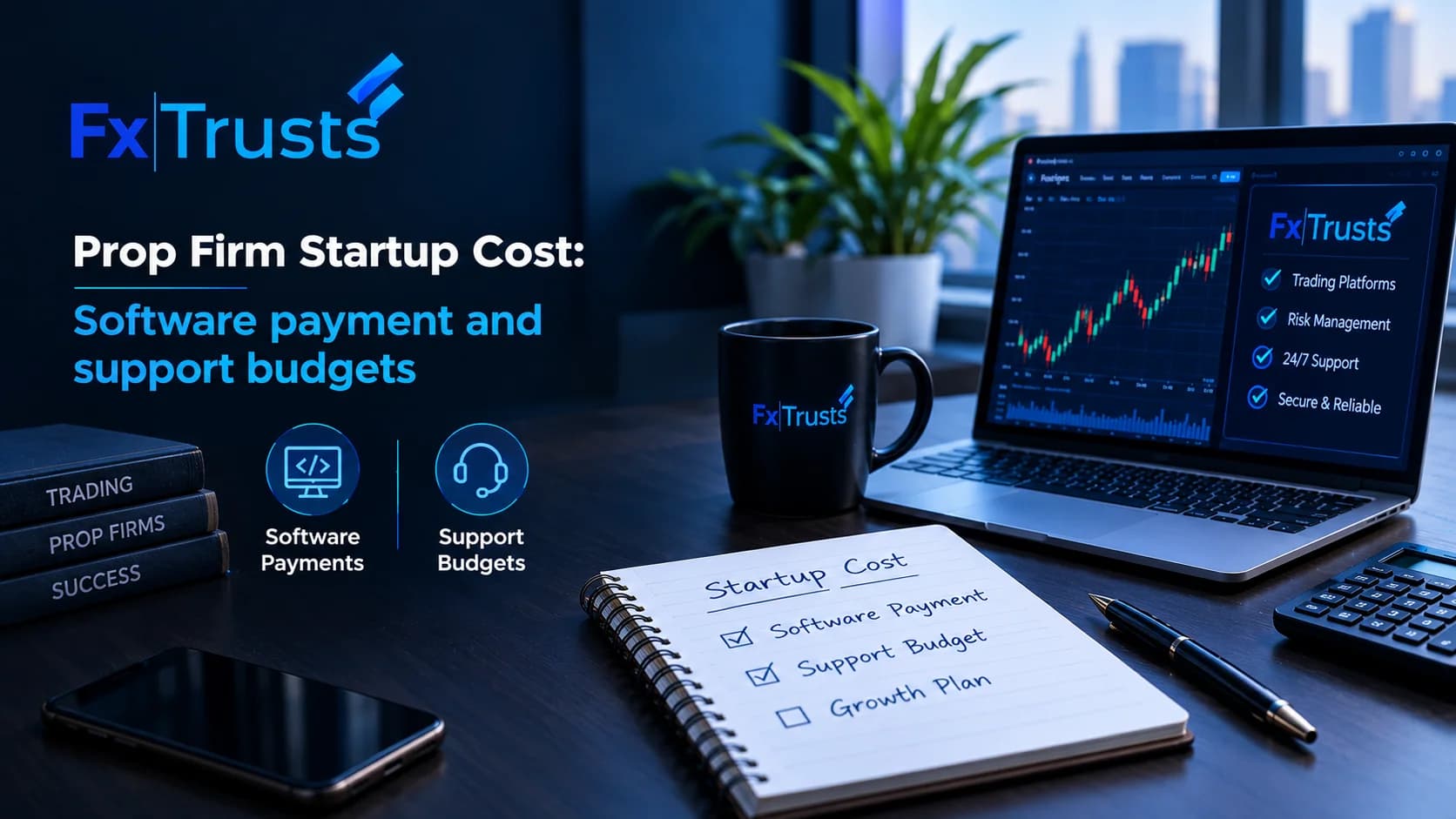
Aspiring operators consistently underestimate the capital injection required. The question how much does it cost to start a forex brokerage carries a brutally honest answer: it varies from $20,000 to $70,000 for a lean White label Forex broker setup rising dramatically to $150,000-$500,000 for a fully licensed, independent entity. The budget splits into distinct, non-negotiable buckets. First, licensing fees dominate. Jurisdictions like Mauritius or SVG deliver moderate barriers, while FCA or CySEC regulation demands significant locked capital reserves. Second, technology infrastructure devours funds — the trading platform lease, bridge connectivity, and liquidity provider setup demand immediate payment. Third, the corporate architecture including legal counsel, bank accounts, and compliance officers bleeds cash before a single trade executes. There is zero room for financial delusion. The leanest legitimate path involves adopting a White label solution, absorbing the technology stack for a monthly fee, and focusing capital on client acquisition and regulatory positioning.
Jurisdictional Playbooks: India and the Digital Frontier
The regulatory landscape creates a sharp divide between opportunity and fatal misstep. Navigating how to become forex broker in india requires operating through a carefully structured offshore entity while respecting RBI and FEMA restrictions on resident Indian retail trading. The playbook involves incorporating in a recognized jurisdiction like Labuan or Mauritius, obtaining the appropriate securities dealer license, and exclusively onboarding clients under that license. Directly soliciting or processing INR-based transactions onshore triggers immediate legal exposure. Conversely, how to start a forex brokerage online has torn down geographic barriers. A digital-first brokerage, powered by a turnkey White label Forex broker package, activates global client access within weeks. The provider supplies the MT5 platform, pre-integrated payment gateways, and connecting bridges to Tier-1 liquidity pools. The operator's focus narrows to aggressive digital marketing, KYC optimization, and rapid scaling. No physical office is required. The borderless model prioritizes speed-to-market above all else.
🔑 Key Takeaways
- A White Label Forex broker solution slashes time-to-market by 80% and avoids redundant technology development.
- Licensing jurisdiction selection determines regulatory friction, capital requirements, and client trust ceiling.
- India operations demand strict offshore structuring to navigate RBI limitations without legal exposure.
- Total startup costs realistically range from $20,000 for white-label to over $250,000 for fully licensed models.
- Liquidity aggregation and bridge technology are non-negotiable, recurring infrastructure expenses.
- Digital-first brokerage models eliminate physical overhead and enable immediate global client onboarding.
Technology Stack and Operational Velocity
Speed kills the competition. The technology layer determines whether the brokerage scales or collapses within six months. A White label Forex broker arrangement grants access to an out-of-the-box MetaTrader environment pre-configured with liquidity streams, risk management dashboards, and CRM integration. The operator avoids months of painful integration work. The bridge provider ensures trade execution routes to LPs without latency-induced slippage spikes. Back-office automation handles commission structures, IB module payouts, and real-time P&L monitoring. Selection criteria must be merciless: reject any provider that cannot guarantee 99.99% uptime, sub-millisecond execution, and multi-asset capability. Pair the platform with a streamlined onboarding funnel — automated KYC verification, instant funding gateways, and tiered account structures accelerate conversion rates. Intermediate traders abandon clunky interfaces immediately. The brokerage must deliver institutional performance from day one.
Frequently Asked Questions
What is the fastest legal path to launching a brokerage?
The fastest legal route is to use an MT5 white-label solution or a brokerage technology provider while obtaining the appropriate business registration, regulatory approvals (where required), liquidity connections, payment systems, and compliance processes. This approach can significantly reduce setup time compared to building a brokerage from scratch.
How much does it cost to start a Forex brokerage?
The cost depends on your business model, jurisdiction, licensing requirements, technology, liquidity providers, and operational expenses. A white-label brokerage generally requires a lower initial investment than developing a fully independent brokerage infrastructure. Be sure to budget for compliance, CRM, payment gateways, marketing, and ongoing support.
Do I need a Forex broker license to operate?
In most jurisdictions, offering brokerage services requires regulatory approval or licensing. The exact requirements vary by country, so it's important to consult legal and compliance professionals before accepting clients or providing trading services. Operating within the applicable regulatory framework helps build trust and supports long-term business growth.